
 Call Anytime
833.722.6566
Call Anytime
833.722.6566
How Comparative Negligence Works in Pennsylvania Car Accidents
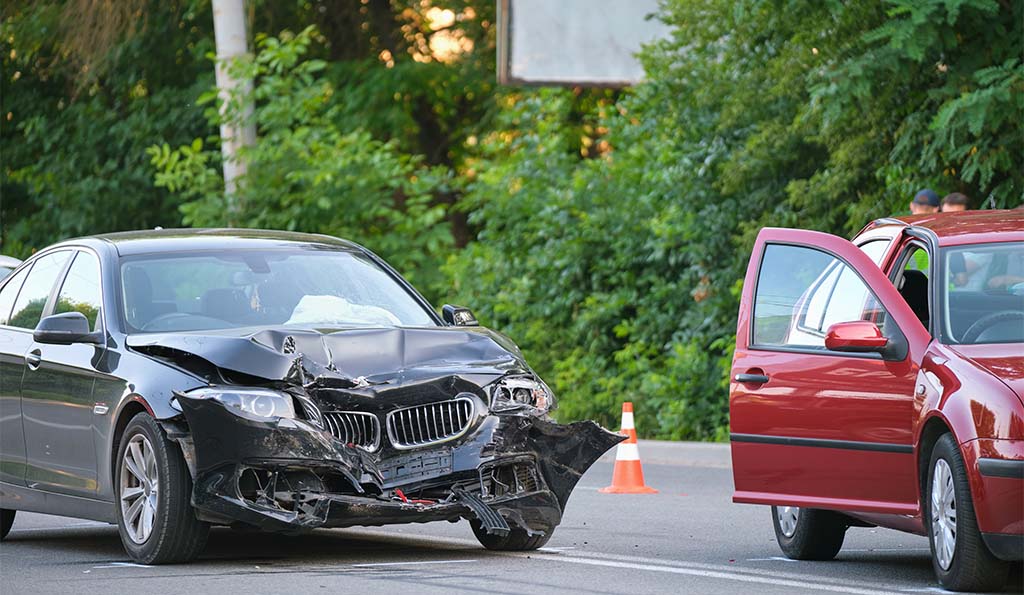
Car accidents can be chaotic, and determining fault can be complex. In Pennsylvania, the concept of comparative negligence plays a crucial role in car accident claims. Understanding how this system works can significantly impact the outcome of your case.
What is Comparative Negligence?
Comparative negligence, also known as comparative fault, is a legal principle used to allocate responsibility among parties involved in an accident. In Pennsylvania, this doctrine affects how compensation is awarded in car accident claims.
The Basics of Pennsylvania Comparative Negligence
Under Pennsylvania law, if you are partially at fault for an accident, your compensation will be reduced by your percentage of fault. For example, if you are found to be 30% at fault, your compensation will be reduced by 30%. However, if you are more than 50% at fault, you cannot recover damages. For more detailed guidance on car accident claims, consider consulting a car accident lawyer in Scranton who can navigate these complex laws effectively.
How Comparative Negligence Affects Car Accident Claims
The concept of comparative negligence significantly impacts how car accident claims are evaluated in Pennsylvania. Insurance adjusters and courts consider each party’s actions to determine fault percentages. This evaluation can affect settlement negotiations and trial outcomes.
Case Illustration
Imagine you are in a car accident where you were speeding, and the other driver ran a red light. Both parties share fault. The determination of each party’s percentage of fault will influence the compensation you receive. To ensure a fair evaluation of your case, reaching out to Shane Scanlon Law can provide you with the necessary legal support and representation.
Steps to Take Following a Car Accident
After a car accident in Pennsylvania, it’s vital to take specific steps to protect your rights:
- Gather evidence, such as photos and witness statements.
- Seek medical attention immediately, even if injuries seem minor.
- Contact a reputable attorney for a free consultation to discuss your case.
Conclusion
Understanding Pennsylvania’s comparative negligence laws is crucial for anyone involved in a car accident. By knowing how shared fault can affect your compensation, you can take informed steps to protect your interests. If you find yourself in a complicated legal situation, consider consulting with experienced professionals like those at Shane Scanlon Law for guidance.